
Chile · 1971
G. Oliva C.
G. Oliva C. was born in Lautaro, in the Araucanía Region of southern Chile, in 1971. He grew up and spent his early formative years in the heart of the Araucanía, a territory whose historical, cultural and human richness had a decisive influence on his intellectual journey. His closeness to the Mapuche reality awakened early on his interest in native cultures, territorial memory and the historical processes that have shaped the relationships between indigenous peoples, States and Latin American societies.
A humanist in the classical sense, a writer and researcher, he has developed a significant part of his work around human rights, the rights of indigenous peoples, interculturality, social justice, historical memory and climate justice. As a researcher and observer of the indigenous reality, he has paid special attention to the historical and contemporary processes related to the Mapuche people in Chile and Argentina, particularly in matters of territory, identity, culture, memory and the recognition of ancestral rights.
I believe not only in human rights and in the rights of indigenous peoples, but also in social justice and climate justice. All the inhabitants of the Earth must live with dignity and equal rights within the current global context, beyond skin colour, language or religion.
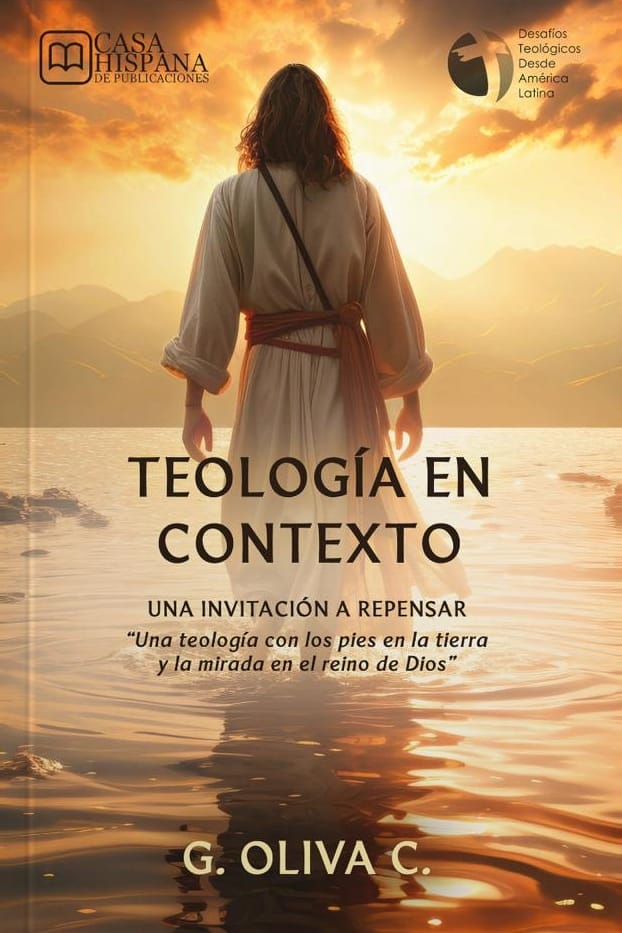
His intellectual profile is marked by an interdisciplinary perspective that brings together Theology, Missiology, Intercultural Studies, Law and Social Sciences. This academic convergence has allowed him to develop a contextualised reflection on some of the great challenges of Latin American society and, particularly, on the relationship between Christian faith, culture, mission, human dignity and social transformation.
As a Hispanic American theologian and missiologist, his career is closely linked to the strengthening of the Church and to the understanding of its global missionary vocation. His thought integrates the centrality of the Scriptures, the Christological dimension of mission, the work of the Holy Spirit and a marked intercultural sensitivity. From this perspective, he understands Christian mission not simply as institutional expansion, but as the responsible participation of the Church in God's redemptive purpose within concrete human, cultural and territorial contexts.
Throughout his ministerial experience he has taken part in processes of cross-cultural evangelisation, missionary training, indigenous pastoral training, the planting of indigenous churches, pastoral accompaniment, urban mission and the development of missionary sending platforms. An important part of this journey has unfolded among indigenous peoples and communities of southern Chile, an experience that has helped to consolidate his reflection on contextualisation, interculturality and integral mission.
His missiological proposal starts from a fundamental conviction: the Gospel can and must be communicated with biblical faithfulness without turning evangelisation into cultural imposition. From there arises his permanent interest in forming Christian communities capable of relating BIBLE - CULTURE - CONTEXT - DISCIPLESHIP - MISSION, recognising the diversity of peoples and promoting churches that are biblically sound, culturally sensitive and spiritually alive.
To respond to human need, one must first listen to God.
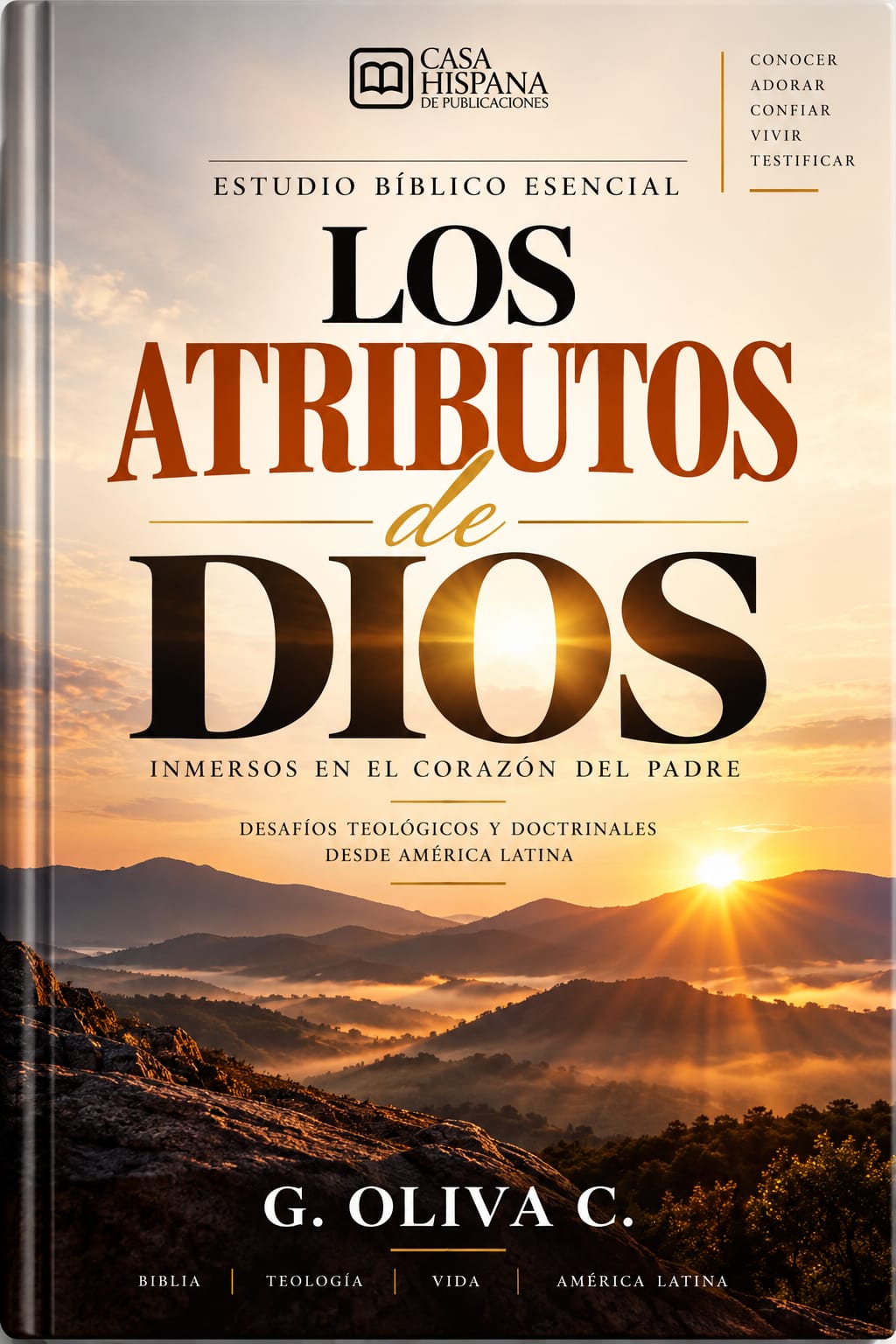
As a result of his field experience, research and missiological reflection, he has developed the Hispanic Missionary Library, a collection of ten works conceived to contribute to the formation of churches, leaders and missionaries. The project addresses fundamental dimensions of evangelisation, discipleship, cross-cultural mission, missionary training and contextualisation, with a perspective oriented especially towards the challenges of the Latin American Church and its participation in global mission.
The collection has been conceived with an international and multilingual projection, including versions in Spanish, Portuguese, English and German, with the purpose of broadening its use in different ecclesial, educational and missiological settings. Its central aim is to provide foundations for a mission that combines biblical faithfulness, cultural sensitivity, spiritual formation and the capacity to interpret the profound changes experienced by contemporary societies.
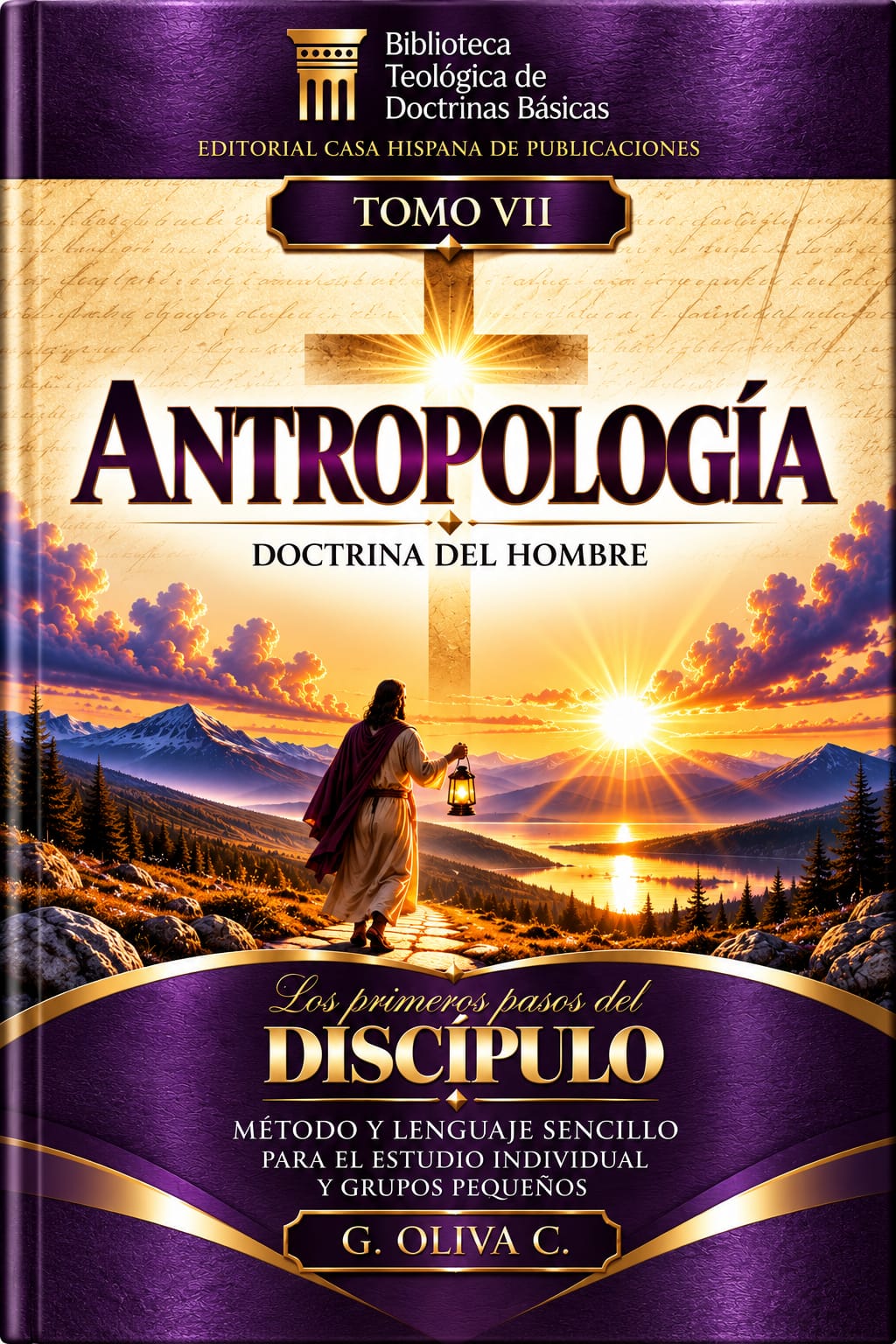
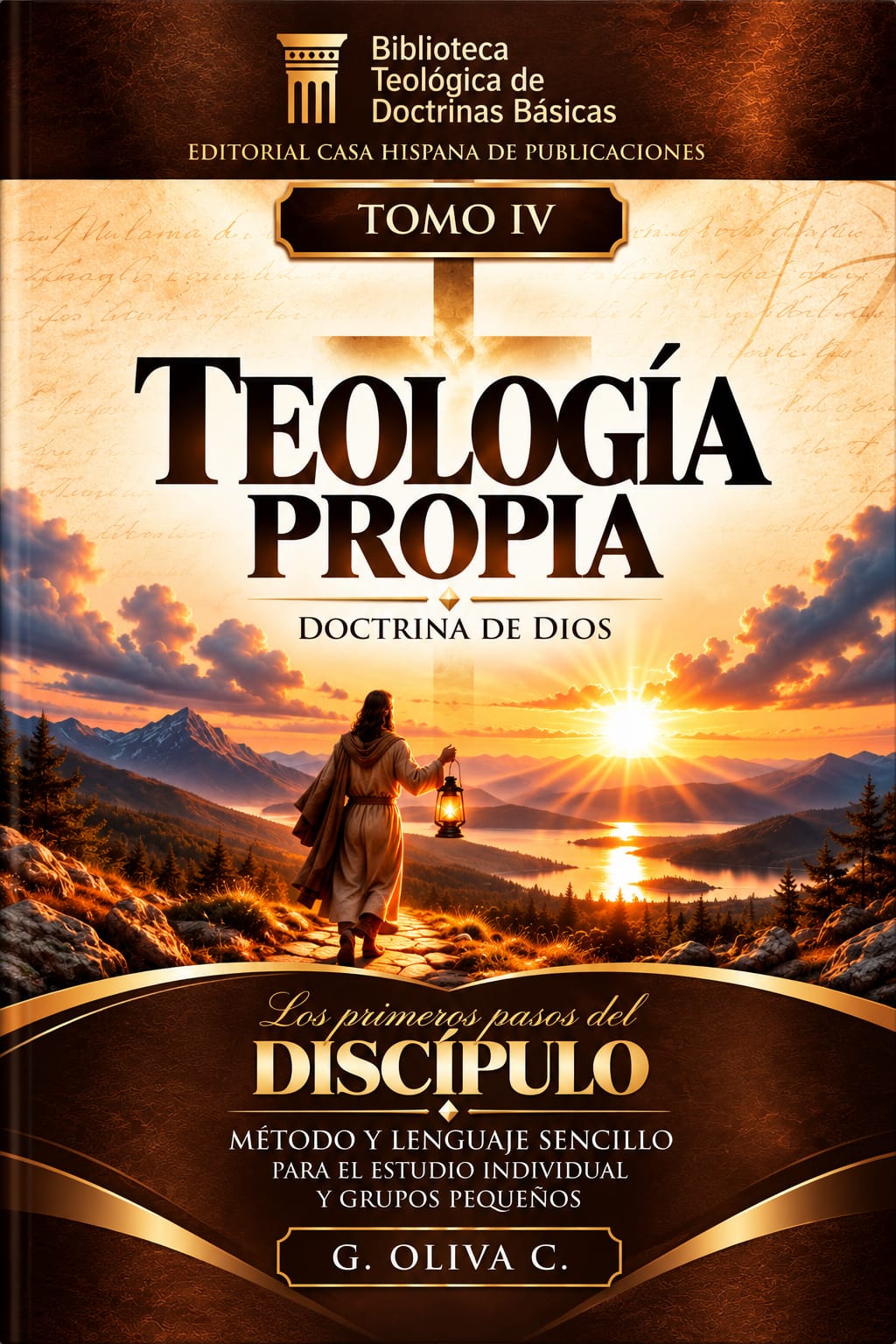
In parallel, his theological output includes the Theological Library of Basic Doctrines, a project made up of ten works devoted to the systematic study of the main doctrines of the Christian faith. Among its areas of study are Christology, Ecclesiology, Soteriology, Pneumatology, Anthropology and Eschatology, together with other disciplines fundamental to the doctrinal formation of the Christian disciple.
This output responds to his conviction that the missionary vitality of the Church needs to be accompanied by biblical and theological depth. For the author, doctrine and mission are not opposing dimensions: a Church that does not know what it believes will hardly be able to communicate clearly what it proclaims. In this way, doctrinal formation, discipleship and mission are complementary dimensions of a single ecclesial vocation.
Doctrinal formation is not a theological luxury, but a vital necessity for the health of the Church.
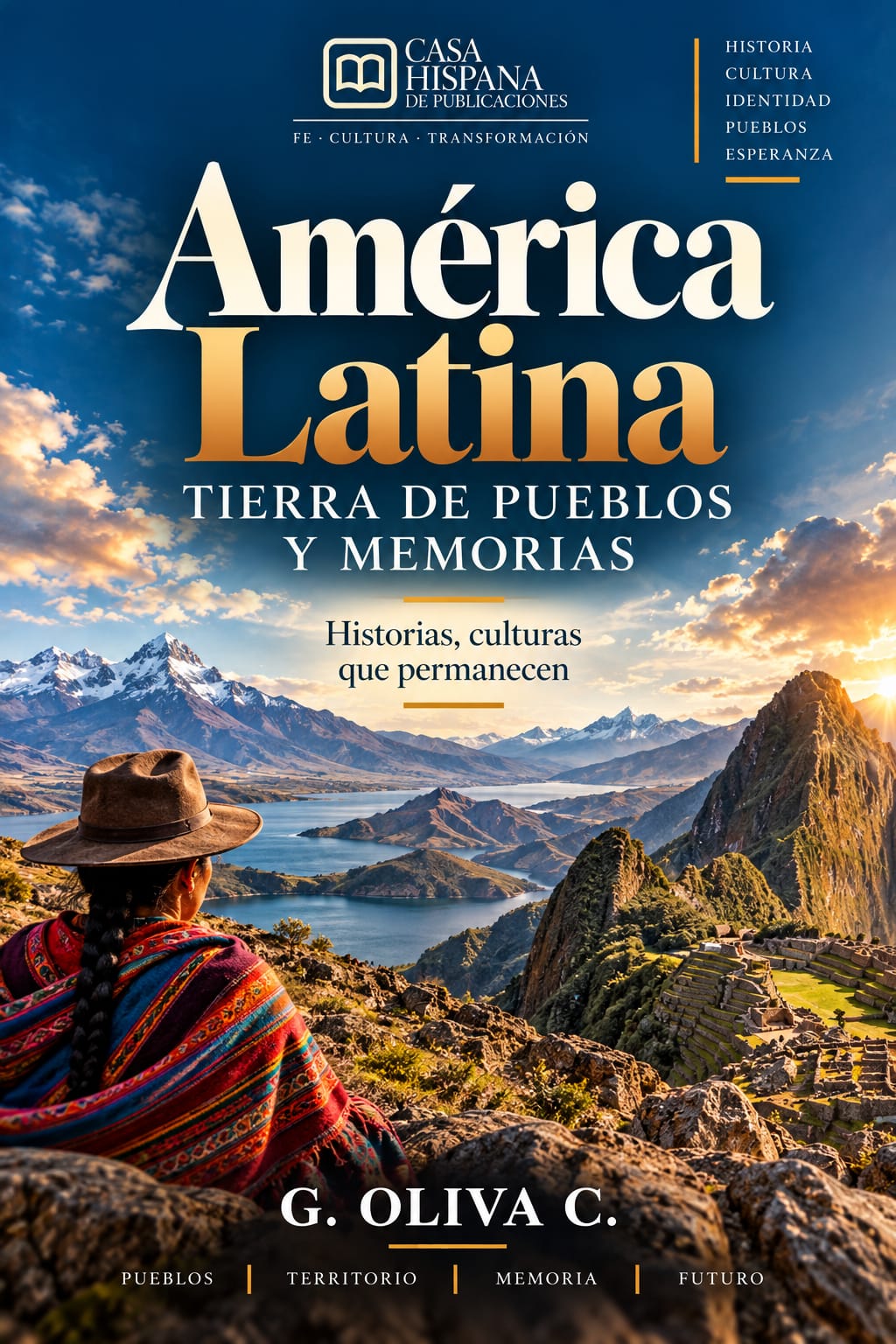
His written work also extends to the fields of Latin American history, indigenous studies, cultural heritage, human rights, Afro-Latin American studies, ecology, climate justice and contemporary social problems. This thematic breadth responds to an integral conception of knowledge: to understand Latin America requires studying at the same time its peoples, memories, spiritualities, conflicts, territories, inequalities and historical processes.
In his research on indigenous peoples, particularly regarding the Mapuche world, he seeks to establish a dialogue between history, territory, culture, human rights and interculturality. From this perspective, native peoples are not treated simply as historical objects or social categories, but as contemporary communities bearing memory, identity, knowledge and projects of their own.
Likewise, his social and environmental studies incorporate the relationship between human dignity, social justice, ecological responsibility and climate justice, arguing that the great contemporary challenges require responses capable of overcoming the traditional boundaries between disciplines. This outlook connects his humanist concern with an understanding of responsibility towards people, peoples and creation.
The intellectual output of G. Oliva C. can therefore be understood through an architecture of thought built around major axes:
THEOLOGY - MISSION - INTERCULTURALITY - HUMAN RIGHTS - INDIGENOUS PEOPLES - MEMORY - TERRITORY - SOCIAL JUSTICE - ECOLOGY - LATIN AMERICAN HISTORY.
His journey seeks to unite what is frequently presented separately: research and territory, theology and mission, Scripture and context, memory and future, identity and intercultural dialogue, academic reflection and practical experience.
As a Latin American writer, his work seeks to contribute to an intellectual output born from the realities of the continent and capable of dialoguing with the global scene. As a theologian, he seeks to keep Jesus Christ and the Scriptures at the centre of his reflection. As a missiologist, he conceives the Church as a community called, formed and sent. As a researcher, he recognises that human realities require rigorous study, listening and contextual understanding. And as a humanist, he holds that every reflection on society, culture, mission and development must keep the dignity of the person at its centre.
His intellectual and missiological legacy is projected towards the formation of new generations of leaders, researchers, disciples and missionaries capable of interpreting their time responsibly. His vision points towards a Church that is biblical, Christ-centred, disciple-making, intercultural and missionary, persuaded that the resurrection of Jesus Christ is the foundation of hope and the driving force of Christian mission.
G. OLIVA C. thus represents a journey situated at the meeting point of faith, thought, territory and mission: an intellectual output born from Latin America, deeply linked to its peoples and memories, and projected towards the cultural, theological, social and missionary challenges of the twenty-first century.
Biographical note by the publisher · Grupo Editorial Casa Hispana de Publicaciones · Santiago de Chile