Description
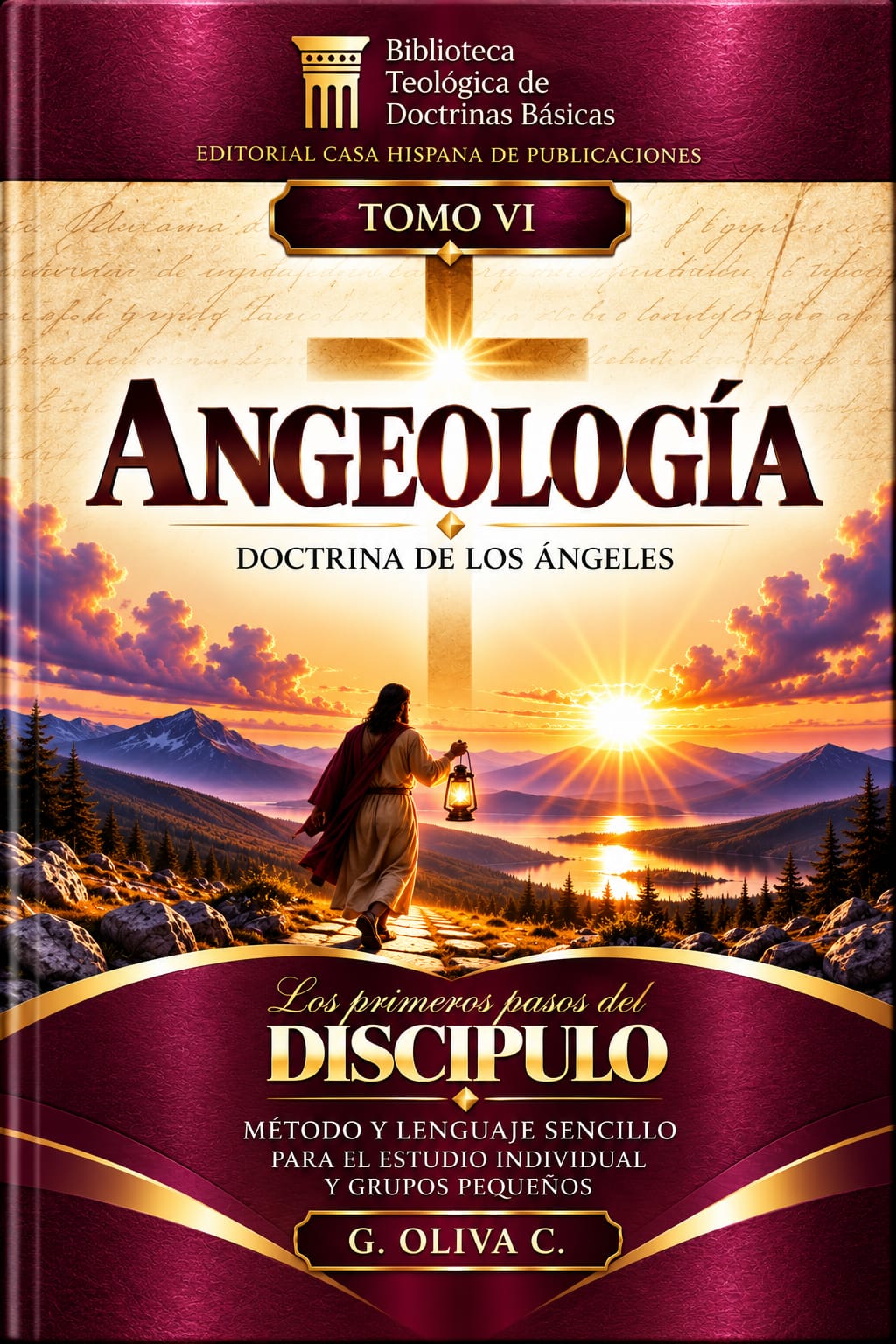
In this book the author begins by defining angelology as a fundamental branch of theology that studies the angels, including their nature, role and mission. Although it does not hold the same central place as other doctrines such as Christology or Soteriology, angelology carries significant importance in several aspects of the Christian faith, and in this book the author highlights some of them. Understanding the Supernatural, Role in the History of Salvation, Intercession and Protection, Model of Service and Worship, Spiritual Warfare; here the author addresses the existence of fallen angels or demons. This is crucial to understanding the reality of the spiritual struggle that Christians face. The doctrine provides an understanding of the origin of evil and of the spiritual forces that oppose God and his people. Other themes: Relationship with Other Doctrines; angelology connects with other areas of theology, such as demonology (the study of demons), eschatology (the study of the last times) and hamartiology (the study of sin). These interconnections enrich an integral theological understanding. History and Tradition; angelology has deeply influenced the history of Christian art, literature and culture. Depictions of angels in iconography, music and narrative reflect and reinforce theological beliefs that have shaped Christian spirituality and devotion over the centuries. Pastoral and Devotional Theology; in pastoral ministry and the devotional life, angelology can offer resources for teaching and comfort. Belief in angelic intervention and protection can strengthen faith and provide hope in times of difficulty. Unity in the Faith; although beliefs about angels may vary, angelology provides common ground for the shared faith among different Christian denominations. This can promote unity and mutual understanding within the body of Christ. In short, the doctrine of angelology is important because it broadens the understanding of supernatural reality, illuminates the role of angels in the history of salvation, offers comfort and hope through angelic intercession and protection, and serves as a model of service and worship. It is also essential to understanding spiritual warfare, enriches the interconnection with other theological doctrines, influences Christian culture and provides resources for pastoral and devotional theology. The present work develops a biblical, systematic, historical and theologically rigorous study of Angelology, the discipline of Christian theology devoted to the study of angels, their nature, origin, functions, ministry and place within the purpose of God. Although this doctrine does not hold the same level of centrality as Christology, Soteriology or the doctrine of God, it constitutes a significant component of Systematic Theology and contributes to a broader understanding of biblical teaching about creation and the spiritual world… The author begins the research by carefully defining the field of study of Angelology and establishing its methodological limits. This point is especially important because…
Category
- RELIGION AND SPIRITUALITY
- CHRISTIANITY
- CHRISTIAN THEOLOGY
- SYSTEMATIC THEOLOGY
- DOGMATIC THEOLOGY
- ANGELOLOGY
- THE DOCTRINE OF ANGELS
- THE NATURE AND ORIGIN OF ANGELIC BEINGS
- ANGELIC HIERARCHIES AND FUNCTIONS
- THE MINISTRY AND MISSION OF ANGELS
- BIBLICAL AND ESCHATOLOGICAL ANGELOLOGY
Rights for this book
We turn publishing rights into international growth, connecting authors and publishers with new markets, new readers and new partners around the world.
Technical details
- Title
- Angeología
- Author
- G. Oliva C.
- Imprint
- Grupo Editorial casa Hispana
- Size
- 15x23cms
- Edition
- 1st edition, 2026
- Published in
- Chile
- Year of publication
- 2026
- Available languages
- Spanish, English, German, Portuguese
- Binding
- Paperback with flaps
- Pages
- 478