Description
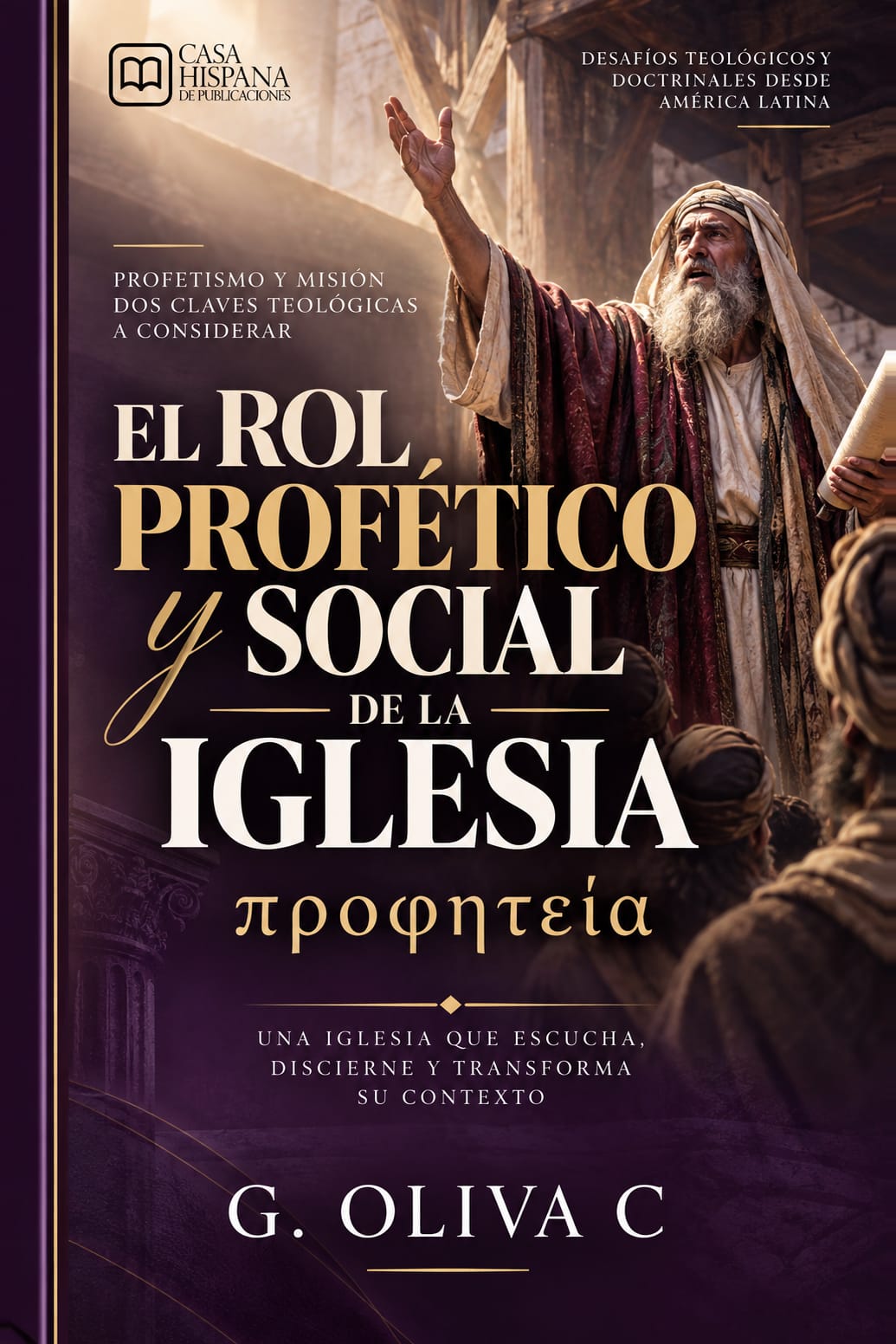
The prophetic and social role of the church is fundamental to its mission in the world, embracing both the proclamation of divine truth and the commitment to justice and the wellbeing of the community. Here the importance and impact of these roles are set out in detail: The Prophetic Role of the Church. Proclamation of the Truth of God: Message of Repentance and Salvation: the church has the responsibility to proclaim the message of the gospel, calling people to repentance and faith in Jesus Christ (Matthew 28:19-20). This includes preaching about sin, redemption and the need for a personal relationship with God. Teaching the Word of God: the church must faithfully teach the Bible, helping believers to understand and apply God's truth in their lives. This includes interpreting and explaining the Scriptures in a way that is relevant and understandable (2 Timothy 3:16-17). Denunciation of Evil and Injustice: Confronting Sin and Injustice: as a prophet, the church must denounce sin and injustice in society, calling people to live according to the principles of justice, mercy and humility (Micah 6:8). This includes speaking out against corruption, oppression and any form of injustice. Defence of the Oppressed: the church must raise its voice in defence of the poor, the marginalised and the vulnerable, advocating for their rights and wellbeing. This reflects God's heart for social justice and compassion (Proverbs 31:8-9). Pointing to God's Hope and Future: Eschatological Hope: the church proclaims the hope of Christ's return and the final restoration of all things. This includes speaking about the kingdom of God and its future fulfilment, offering comfort and hope to believers (Revelation 21:1-5). The Social Role of the Church. Commitment to Justice and Peace: Promotion of Social Justice: the church must work actively to promote social justice, seeking solutions to problems such as poverty, discrimination and structural injustice. This involves getting involved in the community and working with others to create positive change (Isaiah 58:6-7). Fostering Peace and Reconciliation: the church has a crucial role in promoting peace and reconciliation, both at the personal and the community level. This includes mediating conflicts, fostering forgiveness and building bridges between different groups (Matthew 5:9). Service and Love of Neighbour: Ministry of Service: following the example of Jesus, the church is called to serve others, showing God's love through acts of service and compassion. This may include food aid programmes, care for the sick, support for the needy and other forms of practical assistance (Matthew 25:35-40). Care of Creation: the church must also be an active voice in the care and preservation of the environment, recognising the responsibility of human beings to steward creation in a sustainable and respectful way (Genesis 2:15). Transformation of Society: Impact on Culture: the church has the mandate to influence culture and social structures with the values of the kingdom of God. This includes taking part in public dialogue, contributing to the common good and working for the transformation of society according to biblical principles (Matthew 5:13-16). Empowerment of the Community: the church must empower people and communities, helping them to develop their potential and reach their goals. This may include education, skills development, business support and other forms of empowerment (Ephesians 4:11-13). Integration of the Prophetic and Social Role. The integration of the prophetic and social roles is essential for an integral mission of the church. The proclamation of God's truth (prophetic role) must be accompanied by concrete actions that demonstrate God's love and justice in society (social role). This holistic approach ensures that the church is a living witness of the gospel in every area of life, reflecting the character of Christ and his kingdom. In short, the prophetic and social role of the church is vital to fulfilling its mission in the world. The church is called to proclaim God's truth, denounce injustice, offer hope and act with justice, love and service in society. This combination of word and action allows the church to be a transforming force that reflects the kingdom of God in all its dimensions…
Category
- THEOLOGY
- SYSTEMATIC THEOLOGY
- CONTEXTUAL THEOLOGY
- LATIN AMERICAN THEOLOGY
Rights for this book
We turn publishing rights into international growth, connecting authors and publishers with new markets, new readers and new partners around the world.
Technical details
- Title
- El rol profético y social de la Iglesia
- Author
- G. Oliva C.
- Imprint
- Grupo Editorial casa Hispana
- Size
- 15x23cms
- Edition
- 1st edition, 2024
- Published in
- Chile
- Year of publication
- 2024
- Available languages
- Spanish, English, German, Portuguese
- Binding
- Paperback with flaps
- Pages
- 485