Description
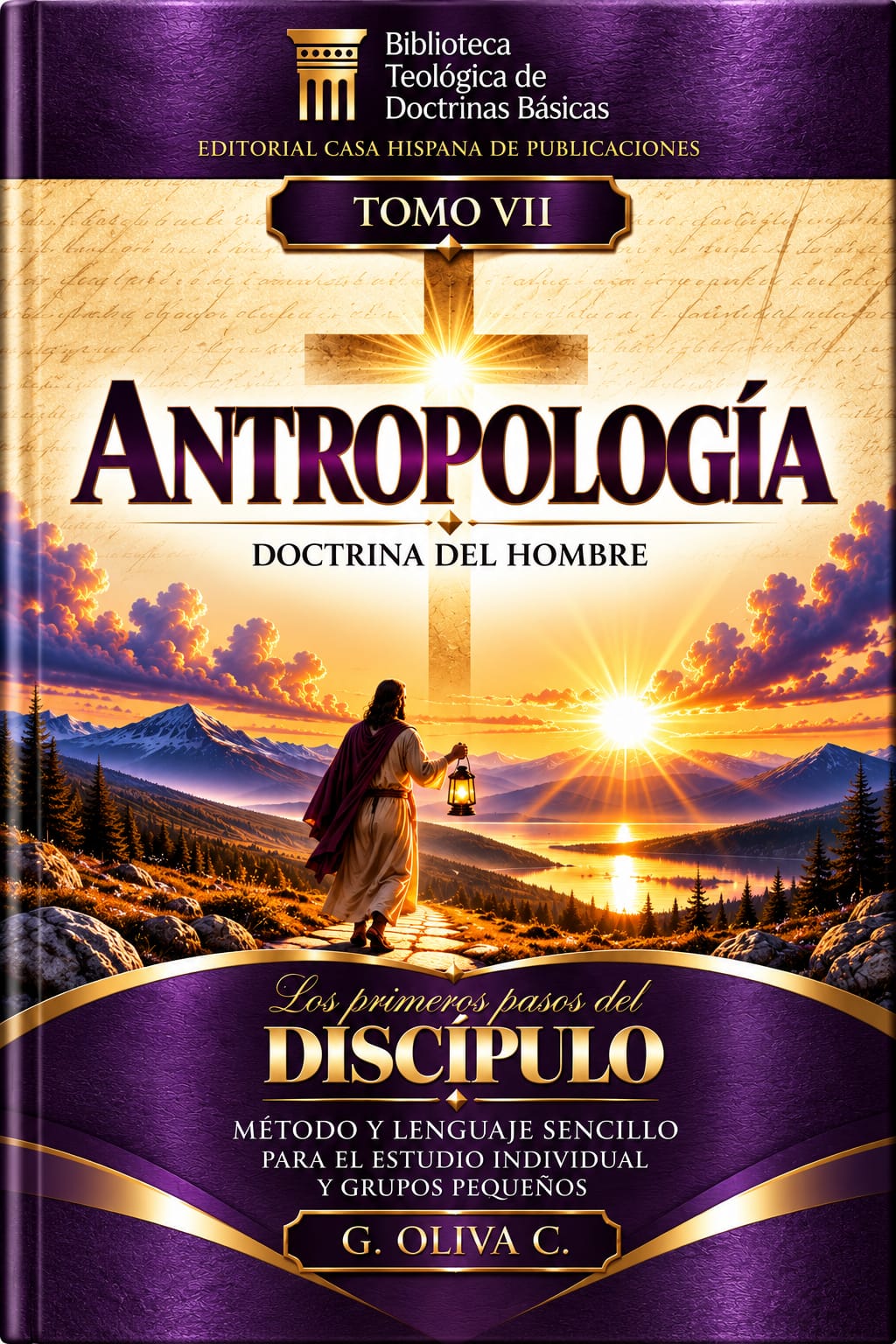
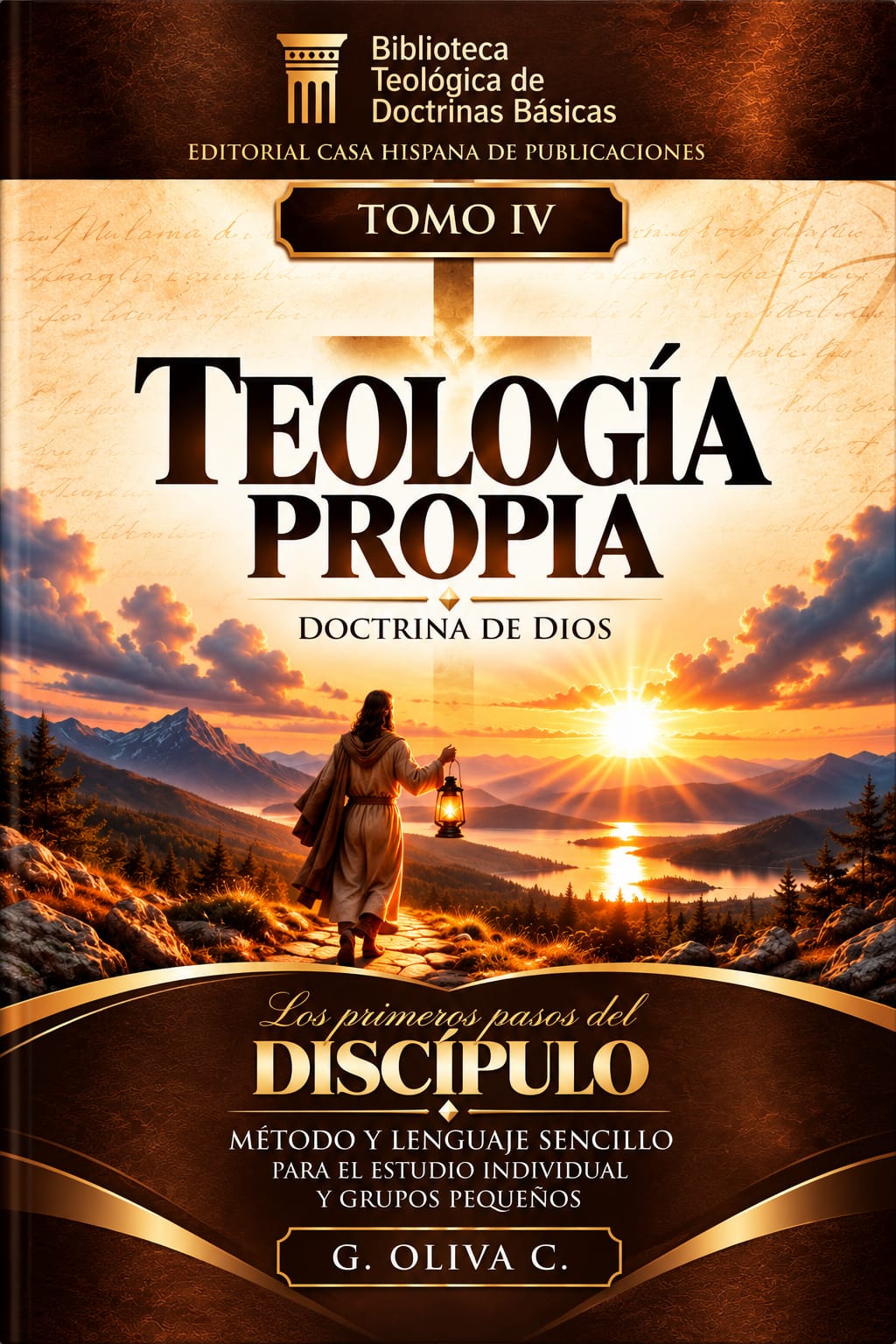
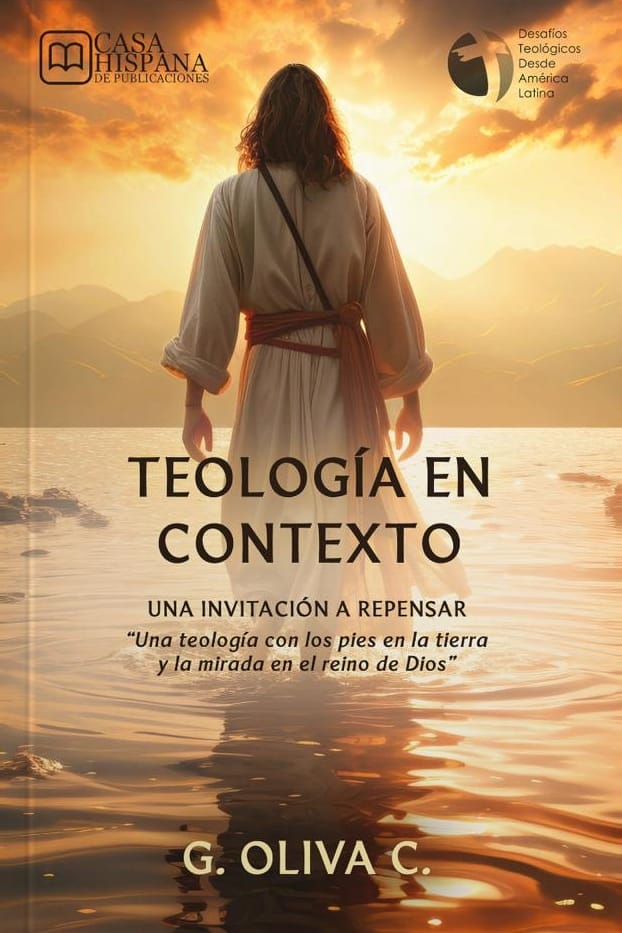
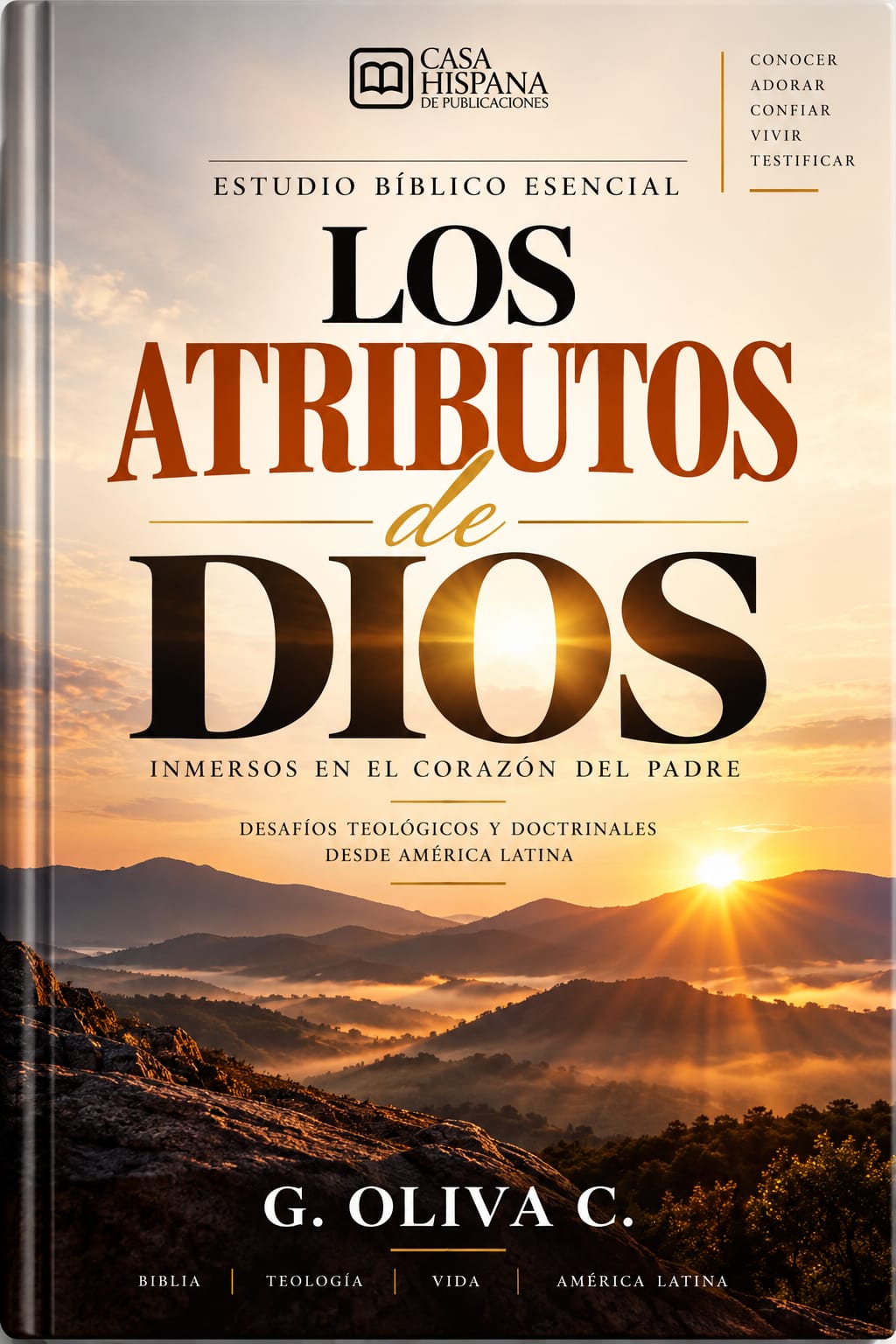
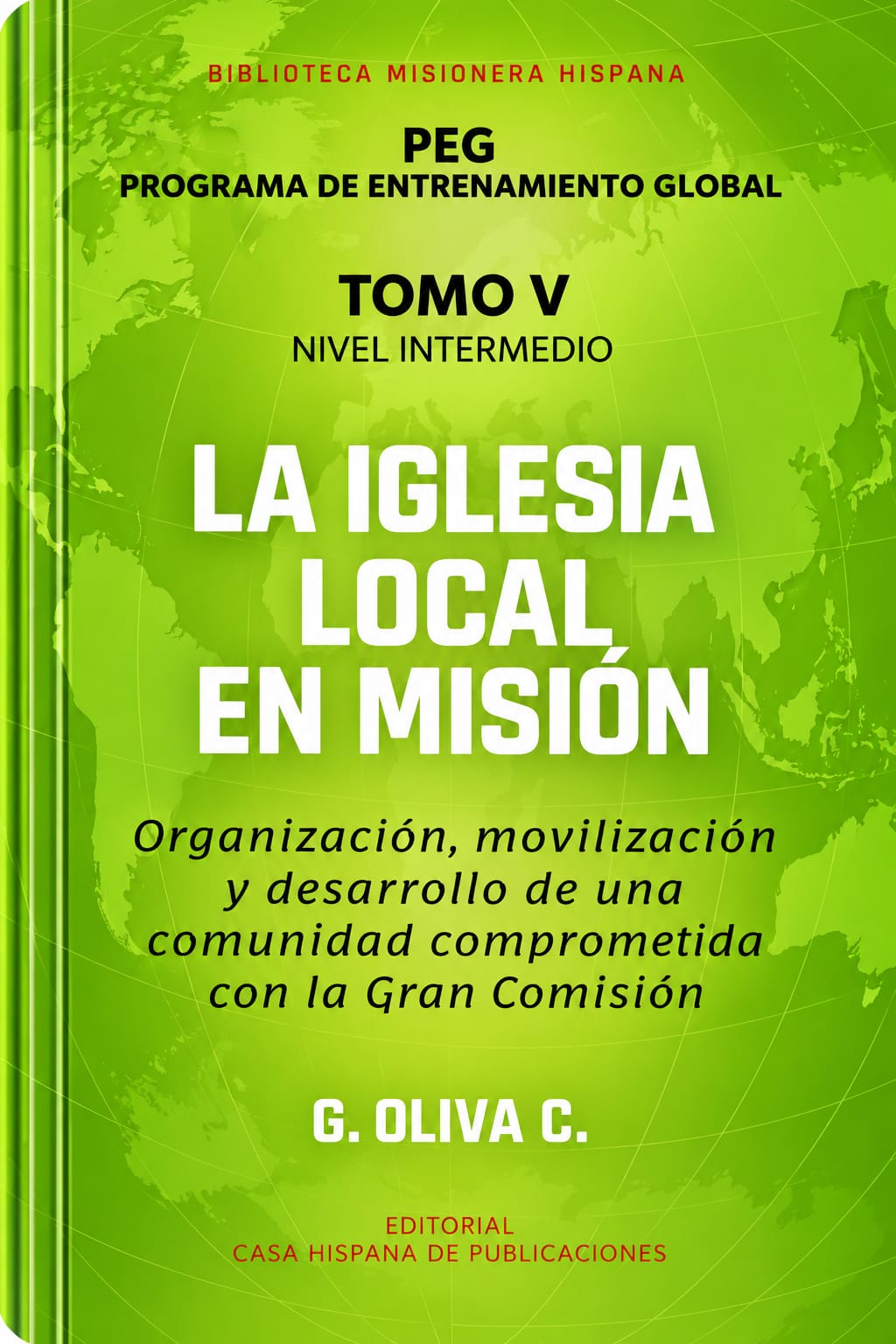
The local church is a fundamental expression of the presence of Christianity in society and a privileged space for carrying out the evangelising mission. Its identity cannot be understood solely in terms of its organisational structures, liturgical activities or administrative mechanisms, but must be seen in the light of its vocation to take an active part in the mission of God through the proclamation of the gospel, the forming of disciples, community service and Christian witness. It is within this horizon that la iglesia local en misión: organización, movilización y desarrollo de una comunidad comprometida con la Gran Comisión takes its place, a theological and missiological proposal by G. Oliva C., aimed at reflecting on the foundations, responsibilities and strategies that make it possible to develop Christian communities committed to their missionary vocation. The work addresses a significant problem for the contemporary church: the gap that can open up between the doctrinal recognition of the Great Commission and its effective incorporation into the everyday life of congregations. Although many communities affirm the importance of evangelisation and missions, they do not always have the processes of planning, training, mobilisation and accompaniment needed to turn those convictions into sustainable ministerial practices. From this perspective, mission should not be understood as a secondary department of church organisation, but as a constitutive dimension of its identity, spirituality and historical responsibility. The biblical foundation of this understanding lies in the mission of God, known in missiological reflection as Missio Dei, a concept that locates the missionary initiative in divine action and recognises the church as a participant in that mission. The command of Jesus Christ in Matthew 28:18-20 establishes the responsibility to make disciples, baptise and teach, while Acts 1:8 links Christian witness with the work of the Holy Spirit and its reach towards different territories and peoples. Both texts show that Christian mission involves proclamation, teaching, community formation and openness to diverse cultural realities. The local church, therefore, does not exist solely to preserve its institutional functioning or to meet the internal needs of its members. Its responsibility includes developing a meaningful presence in society, communicating the gospel and taking part in initiatives of service that express love of neighbour. This orientation requires moving beyond congregational models focused solely on preserving structures, holding meetings or numerical growth, towards an integral understanding of the Christian community as an active agent of mission. One of the central aspects of the proposal concerns the missionary organisation of the congregation. Participation in the Great Commission requires administrative and ministerial structures capable of coordinating people, resources and activities responsibly. Strategic planning, the setting of objectives, the allocation of roles and the evaluation of results are relevant tools for strengthening the continuity of evangelistic and community projects. Organisation must nevertheless remain subordinate to the spiritual and pastoral purposes of the church, so that administrative procedures neither replace human relationships nor turn mission into a purely institutional activity. The forming of evangelistic teams is another fundamental dimension. A community committed to mission needs to recognise the gifts, abilities and vocations of its members, providing opportunities for training and participation. The diversity of ministerial functions described in the New Testament shows that missionary responsibility does not belong exclusively to pastors, evangelists or congregational leaders. Every believer can contribute, according to his or her means, through personal witness, teaching, service, hospitality, administration, communication or the accompaniment of others. This shared participation fosters a congregational culture in which mission no longer depends on individual initiatives and becomes a communal responsibility. Christian leadership plays a decisive role in this process. Those responsible for congregations need to develop the competences to guide, accompany, build teams and promote a missionary vision consistent with biblical foundations. Servant leadership, inspired by the teachings of Jesus Christ, demands humility, integrity, the ability to listen and a willingness to share responsibilities. A missionary church needs leaders able to encourage the participation of its members without excessively concentrating decision-making or reproducing relationships of dependence. The training of new leaders is consequently an important condition for the continuity and sustainability of congregational mission. Missionary mobilisation also involves strengthening the sense of belonging and shared responsibility within the Christian community. Biblical teaching, prayer, ministerial training and the ongoing communication of missionary objectives can contribute to the development of a congregational culture oriented towards service and evangelisation. This mobilisation ought not to be limited to occasional campaigns, but should find expression in continuous processes of training, accompaniment and participation. When mission is part of a community's identity, evangelistic activities cease to be perceived as extraordinary obligations and begin to be woven into the everyday relationships of believers. The relationship between church and territory is likewise a relevant field of reflection. Every congregation is situated in a historical, cultural, economic and social context that shapes its scope for action. Missionary planning therefore requires knowing the characteristics of the community, identifying needs, recognising social actors and understanding the changes affecting the population. Urban, rural, Indigenous and migrant realities present different challenges, so congregational strategies need to be developed through responsible processes of contextualisation. The communication of the gospel must preserve its Christological foundation, while recognising the cultural particularities and experiences of those taking part in the dialogue. In the Latin American context, this responsibility takes on particular importance because of social inequality, cultural diversity, human mobility and changes in patterns of religious participation. Local churches face the challenge of building relationships of trust with their communities, so that their public presence is not reduced to activities aimed solely at increasing congregational membership. From the perspective of integral mission, the proclamation of the gospel and Christian service can develop as complementary expressions of the church's responsibility. Solidarity, the accompaniment of vulnerable people, community involvement and respect for human dignity are significant dimensions of Christian witness, provided that service is not made conditional on the acceptance of particular beliefs. Another relevant aspect concerns the management of the resources devoted to mission. The sustainability of congregational projects requires financial planning, transparency, accountability and responsible criteria for setting priorities. Financial mobilisation must be grounded in voluntary participation and institutional trust, avoiding mechanisms of religious pressure or promises of spiritual benefits linked to contributions. Transparent management strengthens the credibility of the church and favours the development of initiatives that can be sustained over time. Likewise, partnerships between congregations, missionary organisations and training bodies can expand institutional capacity through cooperation, the exchange of experience and the responsible use of shared resources. The forming of disciples holds an essential place within the mission of the local church. Evangelisation does not end with the initial communication of the Christian message, but is bound up with processes of teaching, accompaniment and integration into the community. A congregation committed to the Great Commission needs to establish mechanisms for welcoming new believers, strengthening their biblical understanding and promoting their spiritual growth. Small groups, mentoring, Christian education and leadership training can help to develop mature communities, capable of accompanying new generations of disciples. In this way, congregational mission integrates evangelisation, discipleship and the responsible multiplication of Christian communities. The evaluation of missionary initiatives is a complementary tool for improving the quality of ministerial processes. Although quantitative indicators can provide information on participation, territorial coverage and the use of resources, they ought not to become the only criteria for determining the value of an activity. The quality of relationships, the continuity of accompaniment, cultural relevance and ethical responsibility are also part of an integral evaluation. Christian mission cannot be reduced to growth statistics, since it involves spiritual, human and communal processes whose complexity calls for discernment and prudence. From an academic standpoint, la iglesia local en misión stands at the convergence of ecclesiology, missiology, practical theology, Christian leadership and ministry administration. Its thematic proposal makes it possible to connect the biblical foundations of ecclesial identity with tools of organisation and mobilisation applicable to congregational life. As the fifth volume of the Hispanic Missionary Library, it represents a stage of development within a formative journey that begins with the biblical foundations of evangelisation, continues with the preparation of the evangelist and discipleship, and moves on towards the collective responsibility of the church in mission. The significance of this orientation lies in recognising that a Christian community committed to the Great Commission needs to integrate theological convictions, spiritual formation, responsible leadership, institutional planning and sensitivity to social realities. Organisation and mobilisation are not ends in themselves, but instruments at the service of a mission that seeks to communicate the gospel, form disciples and strengthen communal witness. In short, la iglesia local en misión: organización, movilización y desarrollo de una comunidad comprometida con la Gran Comisión, by G. Oliva C., is offered as a formative contribution for pastors, leaders, theology students, ministry teams and congregations seeking to strengthen their missionary identity. Its approach invites the reader to understand that the church does not fully live out its vocation when it concentrates its efforts solely on preserving its internal functioning, but rather when it brings its community life together with the proclamation of the gospel, the forming of disciples and responsible service to society. A local church in mission is, therefore, a community that recognises its calling, organises its capacities, mobilises its members and develops a Christian presence consistent with the Great Commission…
Category
- RELIGION AND SPIRITUALITY
- CHRISTIANITY
- THEOLOGY
- PRACTICAL THEOLOGY
- ECCLESIOLOGY
- MISSIOLOGY
- MISSION OF THE CHURCH
- CHURCH ORGANISATION
- MISSIONARY MOBILISATION
- CHRISTIAN LEADERSHIP
- CONGREGATIONAL DEVELOPMENT
Rights for this book
We turn publishing rights into international growth, connecting authors and publishers with new markets, new readers and new partners around the world.
Technical details
- Title
- La Iglesia local en misión
- Author
- G. Oliva C.
- Imprint
- Grupo Editorial casa Hispana
- Size
- 15x23cms
- Edition
- 1st edition, 2026
- Published in
- Chile
- Year of publication
- 2026
- Available languages
- Spanish, English, German, Portuguese
- Binding
- Paperback with flaps
- Pages
- 496